
Overestimating the Power of Betting Systems
Let’s get one thing straight no roulette betting system can beat the house edge. Ever. The house edge isn’t a bug in the game; it’s the whole operating model. Whether you’re doubling down with the Martingale or riding streaks with the Paroli, every spin is still random. The wheel doesn’t care what happened before.
What trips people up is the idea that there’s a secret formula some ‘guaranteed’ strategy that can outsmart probability. That’s the dream, but it’s fiction. Systems might create the illusion of control and sometimes stack a few wins in your favor. But long term? The odds always lean toward the house. Always.
The myth of foolproof systems thrives because of selective memory and emotional wins. People remember raking in chips after a lucky run not the dozen sessions they spent chasing those moments. That kind of thinking gets expensive, fast.
A thorough breakdown of these popular strategies and their limits is in this detailed piece: Do roulette betting systems actually work?. Spoiler: they don’t. Not the way most people hope.
If you’re going to play, play with eyes open. Respect the odds, understand the risks, and ditch the fantasy of a system that can rewrite the house rules.
Chasing Losses After a Losing Streak
At its core, the Martingale strategy feels logical: double your bet after each loss, and eventually, you’ll win back your money plus profit. In theory, it tracks. In practice, it’s a fast lane to a drained bankroll and a cracked mindset.
The real danger lies in persistence. One bad streak can send you into the red before you blink. Casinos have table limits for a reason they break these systems intentionally. Even if you have deep pockets, the emotional toll of doubling down while losing can push you into reckless territory. You stop playing the game and start reacting to it.
Falling into this trap often leads to emotional decision making. Chasing losses clouds judgment. You bet scared, or worse, angry. It’s no longer about strategy it’s about trying to get even.
Smarter players handle cold streaks differently. They accept losses as part of the game and step away when things veer. Flat betting helps. So does pre setting a loss cap and sticking to it. The goal is to play long enough to let the odds breathe not to squeeze the table for revenge cycles that never pay back.
Martingale might look tempting after three or four reds in a row. Don’t bite. The system’s not broken it just never really worked.
Ignoring Table Rules and Wheel Variants
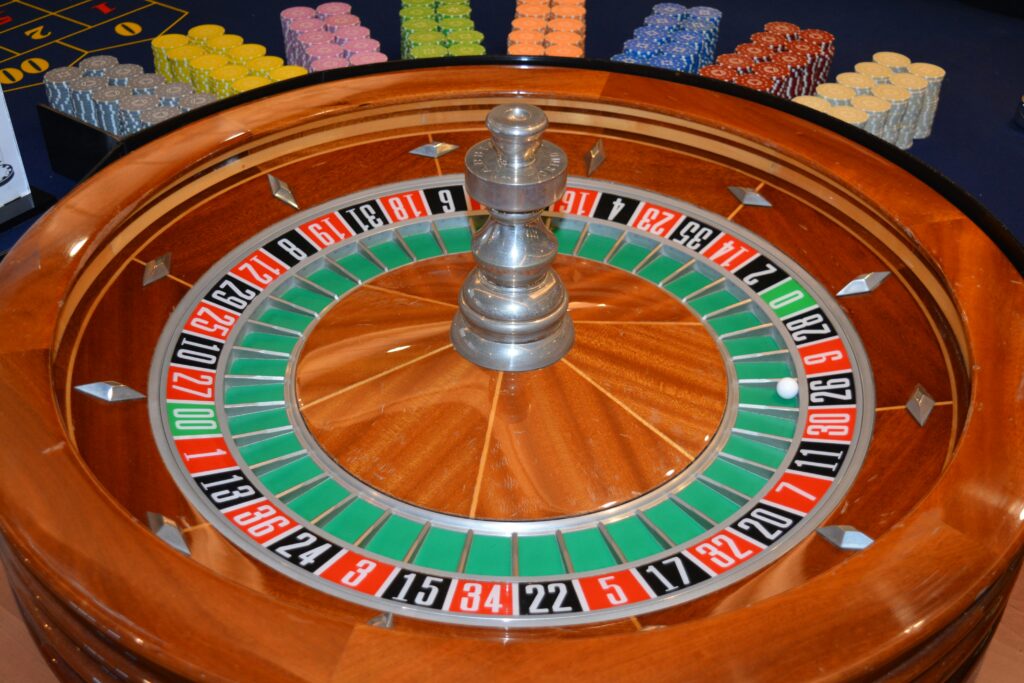
Here’s a mistake that costs people real money failing to notice what kind of roulette wheel they’re playing on. American and European roulette aren’t just regional styles; they’re completely different games when it comes to odds. The American wheel? It’s got both a single zero (0) and a double zero (00). That tiny extra sliver of green bumps the house edge up to 5.26%. European wheels stick to a single zero, bringing the house edge down to 2.70%. Over time, that difference adds up hard.
It doesn’t stop there. Some online platforms offer bonuses, but many of them are tied to specific types of roulette. A welcome bonus might apply only to European wheel games or exclude them altogether. If you’re playing on the wrong version, you might not even be qualifying for rewards you think you’re earning.
Bottom line: Always check the wheel before betting. Know what you’re up against, and don’t let design quirks or bonus fine print blindside you.
Failing to Track Results Objectively

Here’s the problem: most players remember the wins and conveniently forget the losses. That’s confirmation bias at work. You hit black five times in a row once using a certain system, and suddenly it’s the holy grail never mind the six times it tanked your bankroll the week before. Anecdotal wins feel powerful, but they’re not proof. They’re just stories we like to tell ourselves.
If you’re serious about evaluating a roulette system, emotion has to take a back seat. Track every spin. Document bet sizes, outcomes, total sessions, and how much you’re really up or down long term. Not just the highlights. Only then can you separate luck from strategy.
Spreadsheets beat memories, every time. If the pattern isn’t there in cold, hard numbers, it’s not real. That’s the line between playing with purpose and guessing in circles.
Betting Too Much, Too Soon
Risk management in roulette isn’t fluff it’s the line between enjoying the game and torching your bankroll. For all the talk around betting systems, this is the part that often gets skipped. Whether you’re dabbling with the Martingale, Fibonacci, or just winging it, poor risk controls will beat you faster than any wheelspin could.
Flat betting keeps things simple. Same bet size, no matter what. It slows down losses, helps you ride cold streaks longer, and makes it easier to track results objectively. Progressive systems especially aggressive ones like the Martingale can feel exciting when you’re winning. But after a few losses in a row, you’re staring at a decision that could wipe your session, or worse.
Set your stop loss limit before you place your first chip. Know what you’re willing to lose. Same goes for wins walk away with profit when you’ve reached a target. Most players blow their edge after they’re up because they keep pressing. The pros know when to quit.
Roulette’s a game of chance, not control. Risk management won’t beat the house long term, but it will keep you playing longer and smarter which is honestly the best anyone can ask for.
Blind Trust in Popular Strategies
Just because a strategy is all over the internet doesn’t mean it’s good or even functional. Too many gamblers fall into the trap of thinking popularity equals effectiveness. The Labouchère, the Martingale, the Fibonacci spin offs these systems have been repackaged and rebranded a hundred times, but the truth stays the same: they don’t change the math.
Roulette was designed with a house edge, and no amount of clever sequencing or bet doubling can erase that. We’ve already seen the evidence. In this breakdown Do roulette betting systems actually work?—it’s clear that even the most talked about strategies hit a wall when variance kicks in or bankrolls run dry.
The smarter play? Build your own risk aware approach. Not some magical sequence, but a plan that fits your tolerance, limits your exposure, and stays honest about the odds. Look at flat betting with strict caps. Track your results without bias. And above all, ditch the herd mentality. Popular doesn’t mean proven. In roulette, it usually just means recycled.
Final Takeaways from the Pitfalls
Roulette is a game of odds, not of secrets. No system no matter how clever, old school, or hyped on forums can sidestep the built in house edge. It’s math, and math doesn’t blink. Spins don’t have memory, tables don’t reward loyalty, and luck doesn’t follow patterns.
That means your advantage, if you have one, won’t come from the system you use but from the mindset you bring. Discipline matters more than design. It’s how you manage your bankroll, how you walk away, how you keep emotion out of your bets. The smartest players know when to bet, how much to risk, and just as important when to stop.
At the end of the day, respect the game for what it is: entertainment with a cost. Learn the odds. Use tactics, not because they make you invincible, but because they keep you sharp. And never, under any circumstance, bet money you aren’t ready to lose.
 Founder & CEO
Williamsonn Grajedaral is the founder and driving force behind Dice Gamblers Deal, a platform dedicated to providing expert strategies, in-depth analysis, and essential updates on blackjack, card games, slot machines, and roulette. With over a decade of experience in the gambling industry, Williamsonn’s passion for gaming and his keen understanding of table game mechanics led him to create a space where players could not only learn but thrive in the world of casino games. As the founder, he sets the tone for the company, shaping its mission to provide players with the knowledge they need to make strategic decisions and increase their odds of winning. Under his leadership, Dice Gamblers Deal has grown into a trusted resource for both novice and experienced players, offering expert tips, comprehensive guides, and the latest gambling trends. Williamsonn’s dedication to the community ensures that Dice Gamblers Deal remains at the forefront of the gaming world.
Founder & CEO
Williamsonn Grajedaral is the founder and driving force behind Dice Gamblers Deal, a platform dedicated to providing expert strategies, in-depth analysis, and essential updates on blackjack, card games, slot machines, and roulette. With over a decade of experience in the gambling industry, Williamsonn’s passion for gaming and his keen understanding of table game mechanics led him to create a space where players could not only learn but thrive in the world of casino games. As the founder, he sets the tone for the company, shaping its mission to provide players with the knowledge they need to make strategic decisions and increase their odds of winning. Under his leadership, Dice Gamblers Deal has grown into a trusted resource for both novice and experienced players, offering expert tips, comprehensive guides, and the latest gambling trends. Williamsonn’s dedication to the community ensures that Dice Gamblers Deal remains at the forefront of the gaming world.