What Bluffing Actually Means in Blackjack
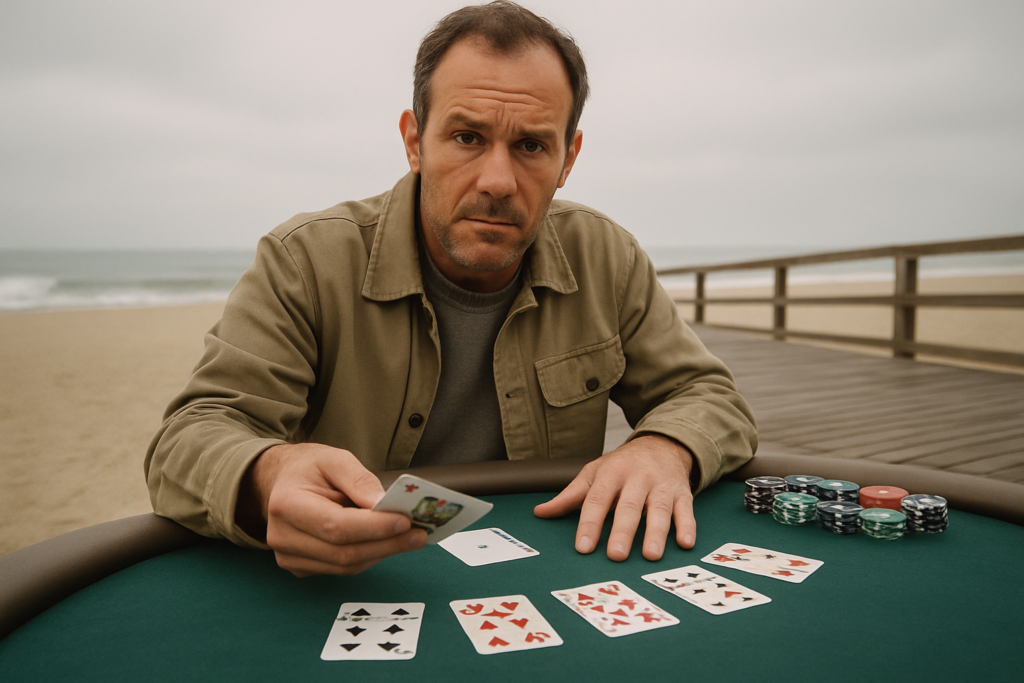
Bluffing in blackjack isn’t about lying or deceiving in the traditional poker sense. Instead, it’s about subtle table behavior and psychological tactics that can momentarily influence perception especially at tables with inexperienced players or inattentive dealers.
Debunking the Bluffing Myths
Blackjack is a mostly mathematical game so the idea of bluffing can seem out of place. However, some misconceptions continue to circulate within both casual and veteran circles:
Myth: You can “fake the count” like in poker.
In truth, the house always has access to the running count in regulated environments.
Myth: Bluffing helps even in automated or digital games.
Psychological plays are only useful in live games, especially those with human dealers and real player interaction.
Myth: Bold behavior equals bluffing.
Displaying confidence doesn’t automatically mean you’re bluffing context matters, especially in blackjack where the dealer follows fixed rules.
Poker vs. Blackjack Bluffing
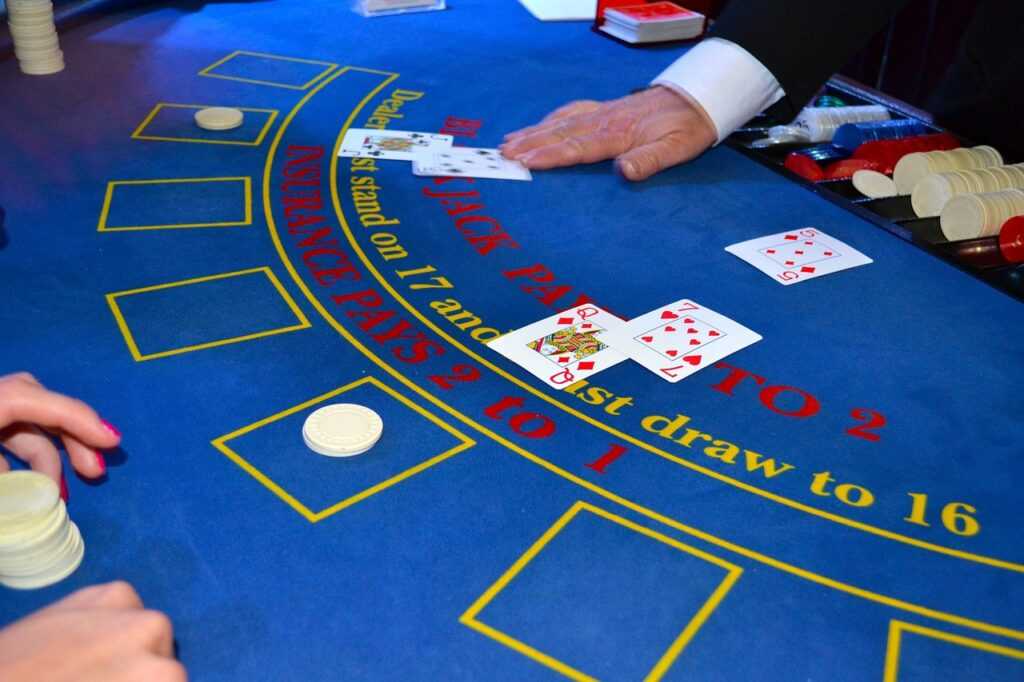
Unlike poker, blackjack isn’t a game where you’re betting to manipulate players into folding. Everyone at the table plays against the dealer, not each other. That shifts the focus of bluffing entirely:
In poker, bluffing is used to mislead opponents into taking the wrong action.
In blackjack, bluffing (if present) is more about influencing perception for example, making the table think you’re playing a specific strategy when you’re not.
This psychological layer may make inexperienced opponents misjudge your skill level, or momentarily break the dealer’s rhythm (not that it helps the cards, but it may indirectly affect speed, mood, and comfort).
When Bluff Like Behavior Matters
While you can’t change your hand or the dealer’s, you can affect the rhythm or mood at the table. Some moments where bluff like behavior can make an impact include:
Hesitating before hitting on a hard 16 to make others second guess basic strategy (not always recommended, but it might work against weaker players).
Suddenly raising your bet to appear more confident or flush with wins this can affect the energy of the table.
Overreacting to wins or losses to mislead others about your emotional or financial state at the table.
These tactics walk a fine line between influence and performance which is why they must be used sparingly and with respect to table etiquette and house rules.
Want to Dig Deeper?
For a comprehensive breakdown of bluffing theory and its debated value in blackjack, check out this detailed article on bluffing in blackjack.
Reading the Table Like a Pro
Winning at blackjack isn’t just about knowing the odds it’s about understanding the human dynamics at play. A sharp player reads more than cards; they read people.
Spotting Patterns in Dealer Behavior
While dealers are trained to stay neutral and consistent, they’re still human. Subtle cues in rhythm, tone, and body language can hint at their confidence or lack of it.
Dealing speed: A sudden slowdown could suggest hesitation or increased focus.
Facial microexpressions: Brief flashes of emotion, especially when checking for a hidden blackjack.
Stack handling: Confident chip movements might reflect familiarity with strong hands.
Tip:
Track how the dealer performs in different game states. Building a baseline helps you notice anomalies quickly.
Reading Fellow Players: Emotional Cues & Tells
While bluffing is limited in blackjack, manipulating the table’s emotional temperature or sensing someone else’s discomfort can still offer an edge.
Nervous behaviors: Twitching, shifting eyes, chewing lips these generally signal second guessing.
Sudden silence or chatter: A chatty player becoming quiet may be under pressure.
Overconfidence: Loud proclamations or flashy betting can mask insecurity.
These cues won’t reveal exact cards, but they may change how you interpret others’ reactions or witlessly shared strategies.
The Psychology of Distraction
Creating or identifying distractions might tilt control your way but it’s a fine line.
What works:
Small talk timed to interrupt decision making.
Harmless questions that break concentration without breaking etiquette.
What doesn’t:
Aggressive speech or obnoxious behavior (you’ll earn a warning or worse).
Overuse of tactics dealers and pit bosses catch on fast.
Distraction isn’t about chaos it’s about creating just enough noise for others to misstep while you stay focused.
Learning to read the room isn’t luck. It’s a skill that sharpens with discipline, self awareness, and practice at real tables not just online simulations.
Mastering Bet Pressure and Timing
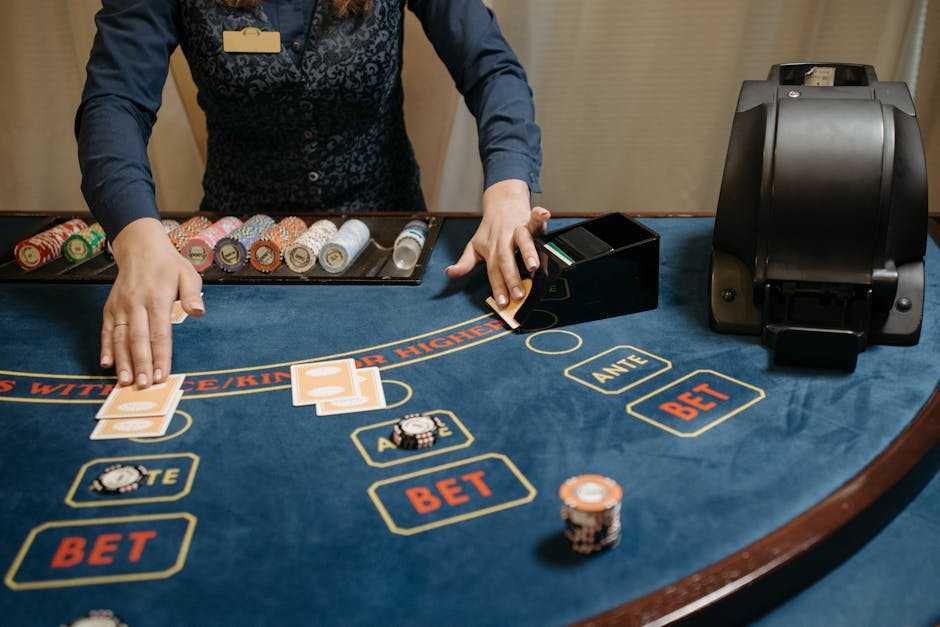
In blackjack, you don’t control the cards but you can control how others read you. Bet pressure is a tool, and sharp players know how to wield it. That oversized bet? It’s often less about the hand and more about what it signals to the table. Aggressive betting creates noise. It grabs attention and makes you look either confident or unhinged. Either way, you’ve disrupted the mood and that opens up space to play differently.
Bet sizing can be a bluff of its own. Drastically increasing your wager might lead others to assume you’ve got a monster hand, even if you’re holding garbage. Skilled players use this tactic to stall momentum, throw off rhythms, or bait reactions. But it’s a double edged sword: go too far, and you expose a pattern that people will exploit.
Then there’s the power of pause. A slight hesitation before a hit or stand can say more than words. Sometimes it buys time to think. Other times, it seeds doubt. Deliberate delays can make you seem unsure ideal if you want others to underestimate you. But be careful. Frequent hesitation can mark you as a weak or novice player. Timing, like everything in blackjack, is about balance. Talk less, observe more, and use pressure only when it adds weight to your strategy.
Subtle Signals & Social Engineering
You don’t need a three piece suit or sunglasses to win the table just control over how you show up. Starting with the basics: breathe. Players who hold their breath or breathe erratically are easy to read. Smooth, steady breathing shows comfort. Nervous? Fake calm breathing until it’s real.
Posture matters too. Leaning forward at random moments screams tension. Slouching looks sloppy. Aim for stillness. Grounded. Maybe with a slight forward lean when you’re in a hand, but don’t broadcast stress.
Eye contact is your most directional tool. Use it. Glancing at a player after they bet? Intentional or not, it sends a signal. Holding eye contact too long? You’re begging people to analyze you. Keep it neutral, balanced. Stare at the felt when you’re unsure, not people.
Now, social interaction this is where strategy starts to blur into performance. Chatting can disarm others. It can also distract you. Use small talk to test another player’s comfort, or to throw them off your scent. But know when to shut up. Cold silence in key moments can say more than words, especially after a big hit or stand.
Your table persona should be built on intent. Are you the calm vet who’s clearly been here before? The soft spoken tourist who just got lucky? Craft it based on your environment and who’s sitting with you. You’re not just playing cards. You’re selling an image and sometimes, that image helps shape the outcome.
Risky Bluffs Worth Knowing
Bluffing in blackjack isn’t about lying through your teeth it’s about nudging perception. Especially in low stakes or casual games, subtle “fake outs” can tilt the mental game. Things like confidently doubling down on marginal hands, acting annoyed when you actually have a killer total, or counting out chips like you’re about to raise but pulling back last minute. These aren’t magic tricks, but they can shift how others at the table respond especially rookies.
At non professional tables, misinformation can be a tool used sparingly. Say something like “dealer’s been hot all night” in a calm, half distracted tone. Players feed off each other’s moods and momentum. Just don’t take it too far. If you’re outright misleading people or dragging the game, expect backlash or worse, ejection.
Table rules also matter. Some house rules strictly forbid intentional misdirection, even verbal. Casinos are especially strict with anything that can resemble collusion, stalling, or behavior that interferes with game flow. Bluffing may live in the social gray area of blackjack, but the dealers and pit bosses don’t.
Want to go deeper into whether bluffing can actually give you an edge? Check out Can bluffing ever be a real winning strategy in blackjack?.
Mental Edge Over the Long Game
There’s one thing even veteran blackjack pros rarely say out loud: emotional control is the edge that separates strong players from streaky ones. It’s not flashy. You don’t see it in the chips or hear it in the banter. But if you’ve been at the table long enough, you know keeping a clean head is what keeps your wallet in check.
Taking a bad beat can throw even focused players off their rhythm. A careless hit, a blown signal, or a brutal dealer run can tempt you to chase or overcorrect. The reset button matters more than the next hand. Walk away when needed. Breathe. Review the move, own the mistake, and get back in with clarity not ego.
Top players treat their mindset like part of the gear. That means daily habits, not just a deep breath in the moment. Some journal results to spot patterns. Others meditate or train with visualization before a session. Plenty of pros go silent during breaks not to sulk, but to level set. Mental discipline doesn’t guarantee wins, but it fights tilt, and over time, that’s what counts.
In the long game, it’s not just about what cards you play. It’s how your mind handles the ones you’re dealt.
 Founder & CEO
Williamsonn Grajedaral is the founder and driving force behind Dice Gamblers Deal, a platform dedicated to providing expert strategies, in-depth analysis, and essential updates on blackjack, card games, slot machines, and roulette. With over a decade of experience in the gambling industry, Williamsonn’s passion for gaming and his keen understanding of table game mechanics led him to create a space where players could not only learn but thrive in the world of casino games. As the founder, he sets the tone for the company, shaping its mission to provide players with the knowledge they need to make strategic decisions and increase their odds of winning. Under his leadership, Dice Gamblers Deal has grown into a trusted resource for both novice and experienced players, offering expert tips, comprehensive guides, and the latest gambling trends. Williamsonn’s dedication to the community ensures that Dice Gamblers Deal remains at the forefront of the gaming world.
Founder & CEO
Williamsonn Grajedaral is the founder and driving force behind Dice Gamblers Deal, a platform dedicated to providing expert strategies, in-depth analysis, and essential updates on blackjack, card games, slot machines, and roulette. With over a decade of experience in the gambling industry, Williamsonn’s passion for gaming and his keen understanding of table game mechanics led him to create a space where players could not only learn but thrive in the world of casino games. As the founder, he sets the tone for the company, shaping its mission to provide players with the knowledge they need to make strategic decisions and increase their odds of winning. Under his leadership, Dice Gamblers Deal has grown into a trusted resource for both novice and experienced players, offering expert tips, comprehensive guides, and the latest gambling trends. Williamsonn’s dedication to the community ensures that Dice Gamblers Deal remains at the forefront of the gaming world.